- Promotions
The Difference Between Plasticine and Modeling Clay
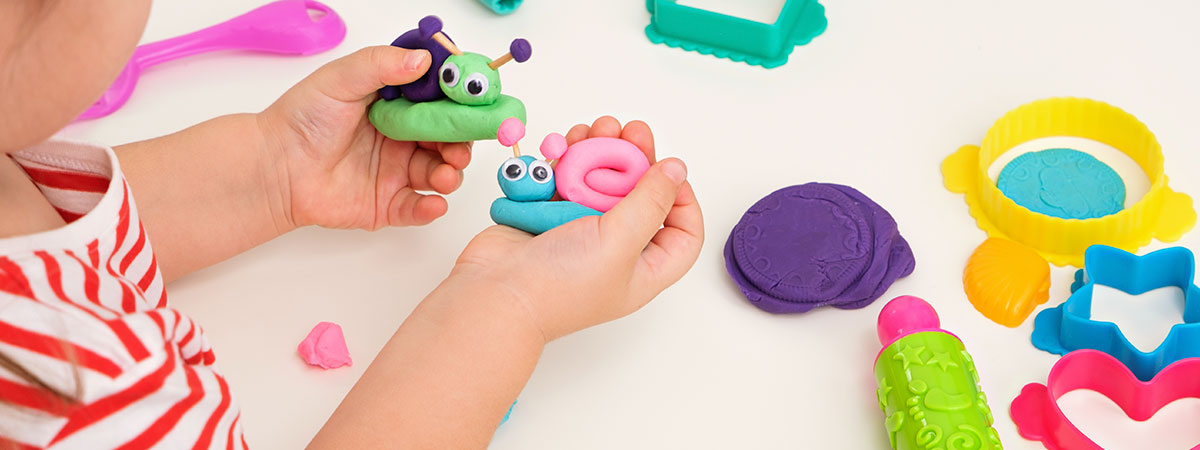
Table of Contents
1. Peculiarities of the materials and their use
2. How to choose between plasticine and modeling clay?
Plasticine and modeling clay look similar, but each has its specific characteristics and purpose. The former is ideal for free-form children's modeling and games, while the latter impresses with durability and the possibility of detailed applied art. The common thing between them is that both stimulate imagination and develop a sense of form from an early age.
In the following lines, you will find the main differences between the two materials, ideas for their application, and guidelines for choosing based on your goal.
Peculiarities of the materials and their use
Plasticines are preferred for art activities with children because of their softness for shaping and non-toxic ingredients, which ensure safety and enjoyment during work. They do not need a form for drying and remain pliable, allowing for repeated modeling and the creation of various projects.
Modeling clays, on the other hand, are heat-resistant materials, which allows them to harden after baking or air-drying. This turns the creations into durable figurines for decoration, ideal for collections or gifts – beautiful, stable, and long-lasting.
Both types of creative tools develop imagination and help develop motor skills, providing different opportunities for expression and experimentation.
How to choose between plasticine and modeling clay?
The correct choice of material determines not only the final result but also the pleasure of the creative process. To facilitate your decision, pay attention to the following guidelines:
- For long creative games and easy modeling – choose plasticine because of its plasticity, which allows for endless changes and experiments without the risk of damage;
- If you want durable items – use modeling clays that harden after drying or baking, turning the creations into durable and suitable for storage;
- For children's modeling and group activities – plasticines are safe and easy to work with, which makes the activity pleasant and accessible for little hands;
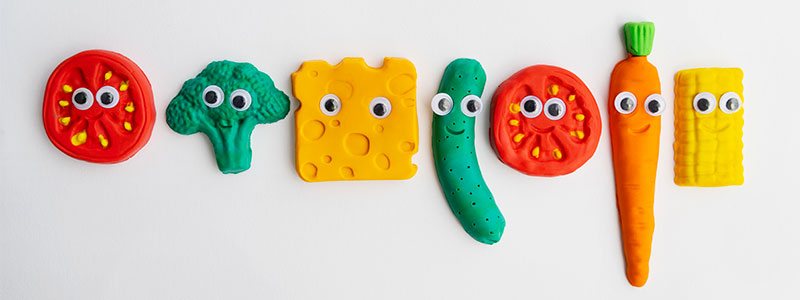
- For fine details and applied art – modeling clays offer greater precision, which helps in creating complex elements and realistic forms;
- For developing dexterity and imagination – both materials stimulate the development of motor skills and creative thinking, encouraging a sense of form and color combinations.
With the right approach, you can enjoy the flexibility of plasticine or create long-lasting works with modeling clays that impress and inspire. Thus, every idea of yours finds the right product for its realization, so that it can turn into a finished and expressive work of art.