


- Promotions
Correction tapes
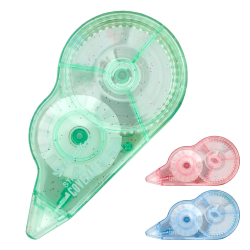
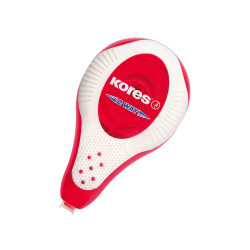
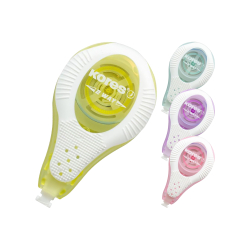
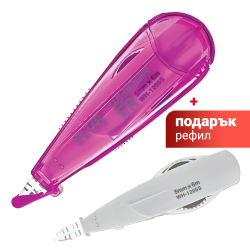

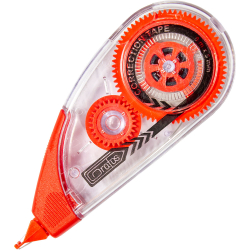
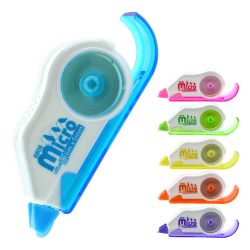
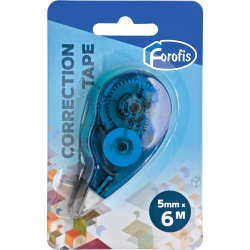
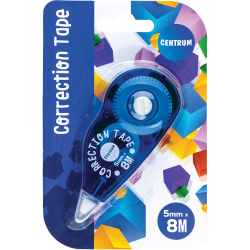


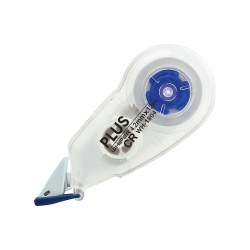
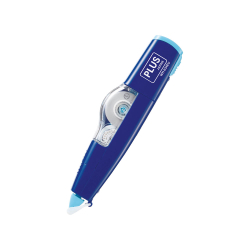

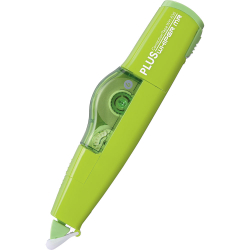
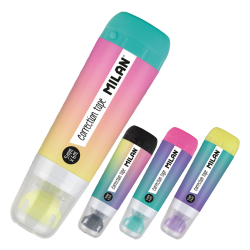
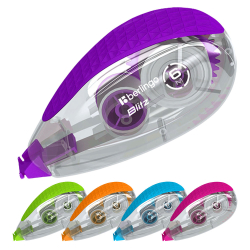
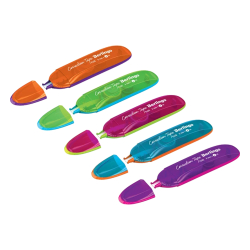

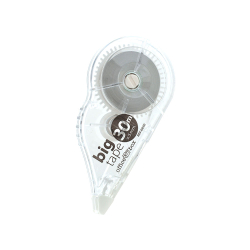
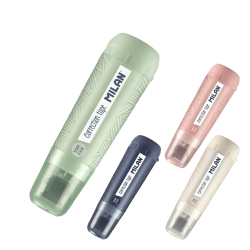

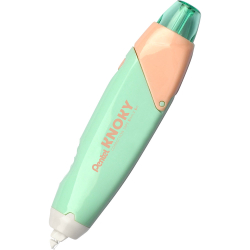
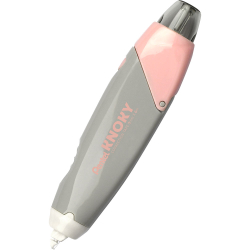


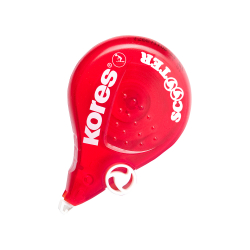
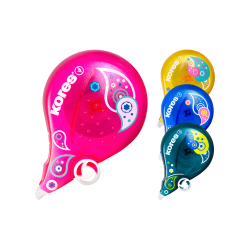
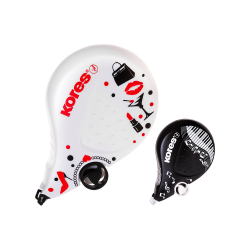
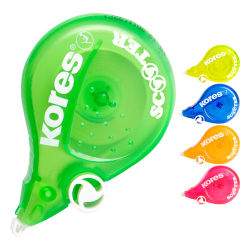
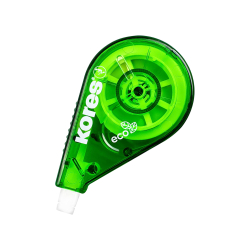
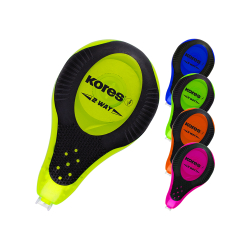

A correction tape is a practical tool for correcting text on paper, where the corrective layer is applied directly over the error. Since no liquid formula is used, there is no need for drying time; you can write over the covered area immediately after application. At OK Office, you will find correction tapes with a width of approximately 4–5 mm and lengths ranging from 6 to 30 meters, including compact models, refillable versions, and various designs.
How to choose the right correction tape?
The key features to consider when making your choice are the width and length of the tape. The size of the casing and the option to replace the internal roll are also important factors.
Depending on how you intend to use it, you can look for the following features:
- tape width – options around 4–4.2 mm are suitable for narrower lines and small areas, while a 5 mm width covers a larger surface in a single pass;
- tape length – compact models typically offer around 6–8 meters, whereas for more intensive use, you can choose versions with 10, 12, 15, 25, or 30 meters of tape;
- replaceable refill – compatible models allow you to replace the consumable insert without needing to discard the entire casing;
- additional features – some options combine a correction tape with an eraser, while others are designed to mask sensitive information.
The ideal combination of width and length depends on the nature and frequency of your corrections. A compact model is sufficient for occasional use, while a longer roll is more practical if you regularly work with a large volume of documents.
What are the advantages of correction tape?
One of the key characteristics of correction tape is that it is applied dry. The coating is transferred onto the paper as the applicator moves, and there is no need to wait for it to dry—unlike with liquid correction fluids.
This offers several practical advantages:
- the corrected area can be written over immediately after application;
- the tape is applied in an even layer, allowing for the precise coverage of specific parts of the text;
- the absence of liquid prevents spills and eliminates the need to clean up messy liquid correction fluid.
These features make correction tape ideal for use on forms, notes, study materials, and various office documents.
What are refillable correction tapes?
Some correction tapes feature a reusable casing; once the tape runs out, you simply replace it with a compatible refill. This allows you to keep the main mechanism while purchasing a new roll.
When choosing a refill, it is important to verify its compatibility with your specific model of correction tape. Refills are not universal and must match the casing specified by the manufacturer.
Explore the selection of correction tapes at OK Office and choose a practical solution for correcting your documents, notes, and study materials.
FAQ for Correction tapes
Can correction tape be used on any type of paper?
Correction tapes are primarily designed for use on standard paper surfaces. On glossy, highly textured, or other special types of paper, the result may vary.
Can one write on the corrected area immediately?
Yes, correction tape does not require waiting for it to dry, unlike liquid correction fluids.
Why does correction tape sometimes not apply evenly?
The cause may be an incorrect angle of the applicator or insufficient contact with the paper. The correction tool should be moved smoothly across the surface, following the usage instructions for the specific model.
What strap width is best suited for everyday use?
A width of approximately 4.2–5 mm covers most standard needs for text correction in the office or at school.